Junior international
Olympic Hopes Cup Brno 2026
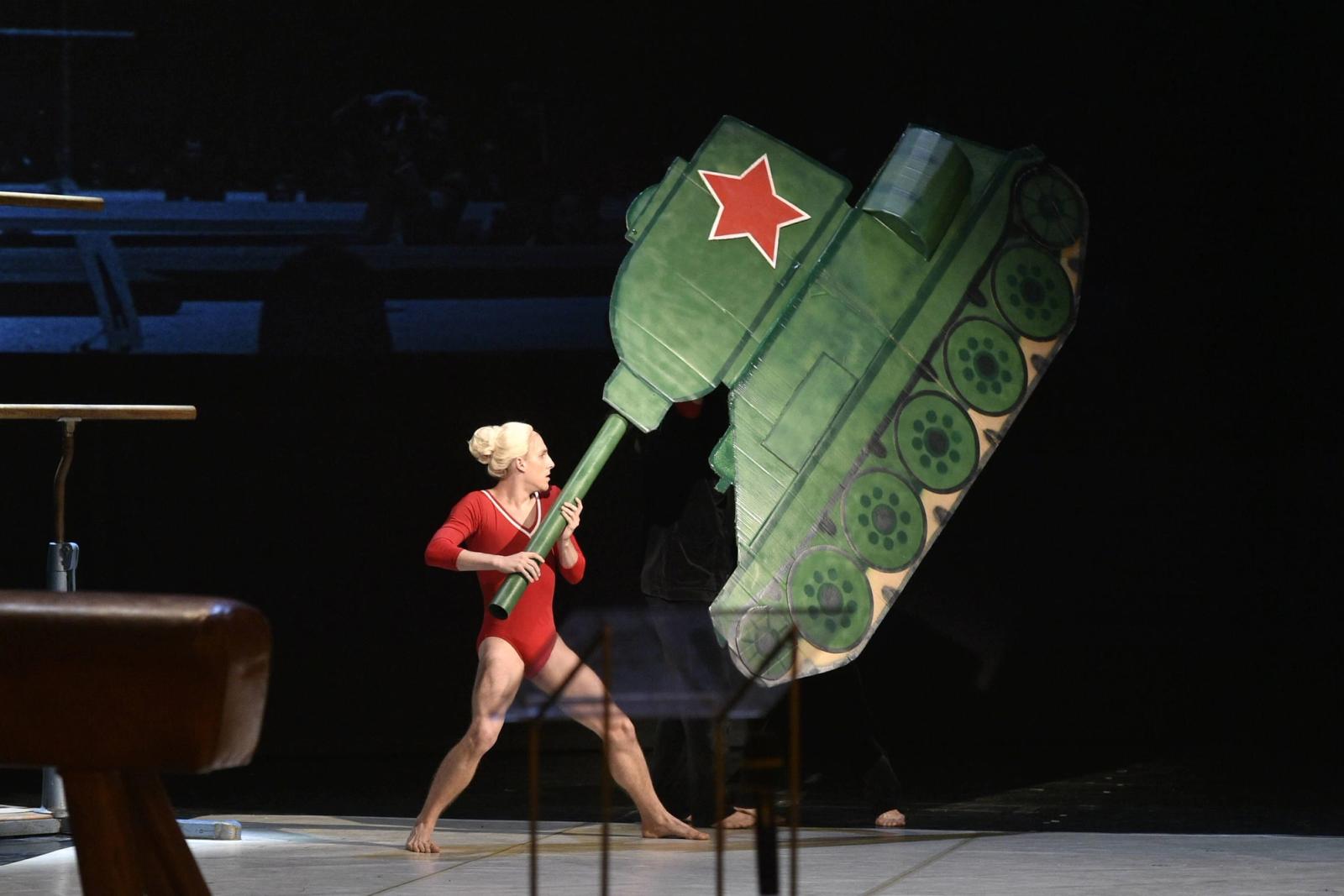
The junior cup carries the name of the gymnast who turned her head away on the 1968 Olympic podium.
Schedule
- Saturday, Nov. 28
Team and all-around
Two subdivisions. Teams of five, with the top four scores counting on each event; every routine also counts toward the all-around.
- Saturday, 4:30 p.m.
Vera Caslavska Grand Prix
Senior mixed pairs: 12 teams of one woman and one man, three rounds, with scores wiped clean after each round.
- Sunday, Nov. 29
Event finals
Top six on each event from Saturday, two per country max.
Provisional schedule per the event directives; exact times depend on the number of entries. Documents: World Gymnastics, event 18570
Getting there and watching
VenueSokol Brno IKounicova 686/22, Brno. Competition and training under one roof.Host club websiteLivestreamGymTV.czStreaming listed in the Czech federation’s directives.gymtv.czThe 2025 edition
29 juniors from Great Britain, Wales, Hungary, Poland, the Czech Republic, South Africa and Slovakia.
- Team
Great Britain
ahead of the Czech Republic and Wales
- All-around
Jamie Reyner-Corbett
Great Britain, 50.332, ahead of Poland’s Alicja Kupka and Wales’ Roxanne-Nnika Sochon
Official results book: World Gymnastics, event 18126
What it is
Who Věra Čáslavská was
Eleven Olympic medals from Rome 1960 to Mexico City 1968, seven of them gold. She and Larisa Latynina are the only two women to win back-to-back Olympic all-around titles, and from 1964 to 1968 she never lost a major all-around.
What people remember most, though, is a few seconds when she didn’t move at all. In June 1968 she signed the reform manifesto known as the “Two Thousand Words.” Two months later, Warsaw Pact troops rolled into Czechoslovakia, and Čáslavská went into hiding to avoid possible arrest.
In Mexico City, the judges bumped up the preliminary scores of Soviet rival Larisa Petrik after the fact, leaving the two to share floor gold. When the Soviet anthem played, Čáslavská lowered her head and looked away. No words, no gesture, just where she turned her eyes — and the whole world got it.
Back home, the regime took away her sport, her freedom to travel and her public life. For a time she worked as a cleaner. She never took her name off the manifesto.
- 1942
Born May 3 in Prague.
- 1964
In Tokyo she wins three Olympic golds, including the all-around.
- 1968
In June she signs the “Two Thousand Words” manifesto. In August, Warsaw Pact troops invade.
- 1968
In Mexico City she adds four golds and two silvers — and lowers her head during the Soviet anthem.
- Afterward
Years on the sidelines. Only after the Velvet Revolution does she return to sports, later serving as president of the Czech Olympic Committee.
- 2016
She dies on August 30 at 74. The bells of St. Vitus Cathedral ring out during the memorial at Prague’s National Theater.